
INTRODUCTION
CBD hash is a traditional and aromatic form of cannabidiol obtained from the resin glands of the hemp plant. Although many people today think first of CBD oil or CBD flowers, CBD hash represents a distinct, characterful product category that differs from other forms of CBD not only in texture and aroma, but also in origin and history.
In this article, we explain precisely what CBD hash is, where its roots lie, how it is made, what the legal situation is in Switzerland, how the various strains differ, and what you should look out for when you want to buy CBD hash.
WHAT IS CBD HASH?
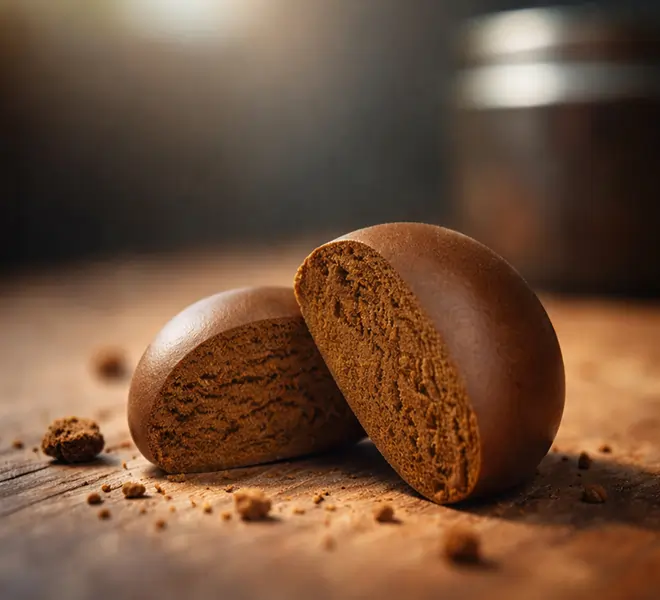
CBD hash is a concentrated resin product obtained from the trichomes – the small resin glands on the flowers of the cannabis plant. These trichomes contain a high density of cannabinoids and terpenes, which makes CBD hash particularly aromatic and full of character. Unlike CBD flowers, CBD hash is therefore not the dried flower itself, but an extracted plant concentrate.
CBD hash is not psychoactive, as the THC content – the psychoactive component of cannabis – must be below 1% in legal products. It is precisely this threshold that allows CBD hash to be sold and consumed legally without producing any intoxicating effects.
The history and origin of CBD hash
Hash (short for „hashish“) is not a new invention of the 21st century – the tradition goes back hundreds, if not thousands of years. Archaeological and literary evidence suggests that cannabis resin concentrates were used as part of the culture in parts of Asia and the Middle East as early as the Middle Ages.
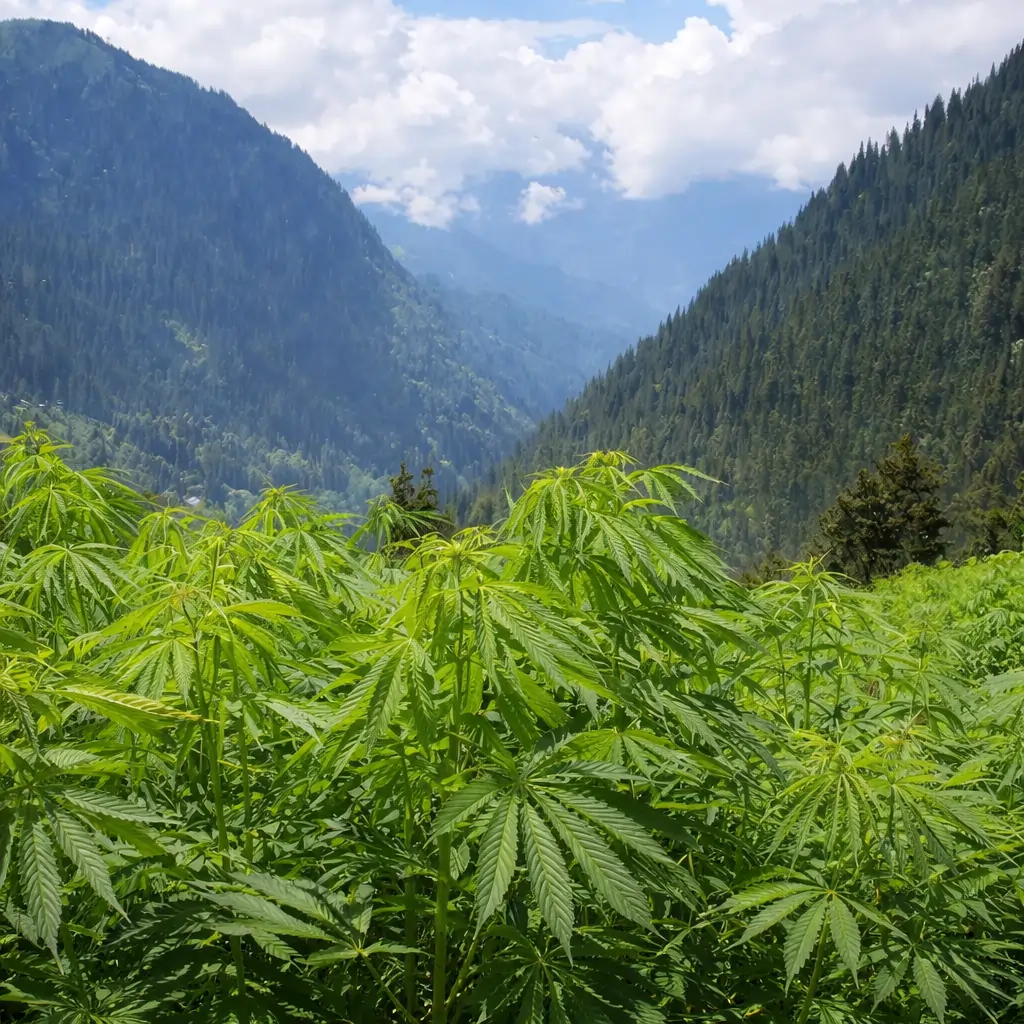
In Central Asia, particularly in regions of India and Nepal, a sticky resinous mass was collected from the fresh plant by rubbing the flowers between the hands – the precursor of so-called charas. This artisanal, physical method is considered one of the oldest known ways to obtain cannabis resin.
Over time, the production of hash spread westwards along trade routes. In North Africa, particularly in Morocco, a distinct tradition of extracting resin from dried plant material developed over the centuries. These various developments led to a diversity of methods and regional flavour profiles that continue to shape the world of resin products to this day.
HOW IS CBD HASH MADE AND WHAT ARE THE TRADITIONAL VARIANT?
The production of CBD hash is fundamentally based on mechanical processes in which the resin glands of the hemp plant are gently separated from the plant material. In contrast to extracts, no chemical solvents are used in the process. Crucial for quality, consistency and aroma profile is not only the chosen method, but also the starting material, the experience of the manufacturer as well as the subsequent processing and maturation.
Many of the CBD hash varieties known today are deliberately modeled on traditional regional production styles that have developed over generations. These traditions continue to influence the texture, colour and character of modern CBD hash products to this day.
DRY SIEVING – THE BASIS OF CLASSIC HASH VARIETIES
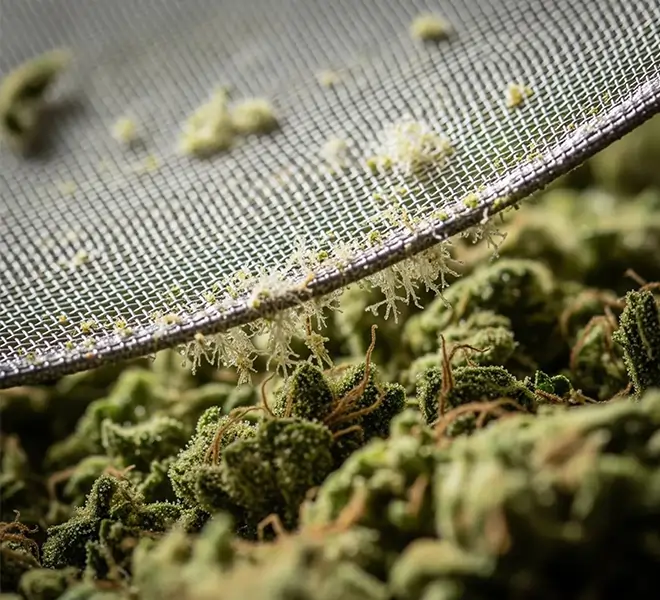
Dry sieving is one of the oldest and at the same time most widespread methods of hash production. In the process, dried CBD Flowers moved through fine-mesh sieves. Due to the mechanical friction, the resin glands detach from the plant and fall through the sieve as a fine powder. This so-called pollen material can remain loose or subsequently be pressed under pressure into compact hash.
CBD hash produced by dry sifting is usually dry to slightly crumbly, with a balanced and often mild aroma profile. This method forms the basis for many traditional types of hash and is characteristic of strains such as Candy Kush (CBD Pollen). Even classically pressed variants with a regional style, for example Sahara Gold (Moroccan Hash) or Red Velvet Cake (Lebanese Red), are based on this form of resin extraction.
MULTI-STAGE SCREENING – MORE PRECISE SEPARATION AND HIGHER PURITY
A further development of classic dry sieving is multi-stage sieving. Here, several sieves with different mesh sizes are used, which allows the resin glands to be separated by size and purity. The more homogeneous and finer the trichomes, the higher the quality of the final product usually is.
This technique is frequently used for premium CBD hash, as it allows for more precise control over texture and flavour profile. For consumers, this step usually remains invisible, yet it contributes significantly to the consistent quality and distinct character of the hash.
WATER-BASED PRODUCTION – BUBBLE HASH
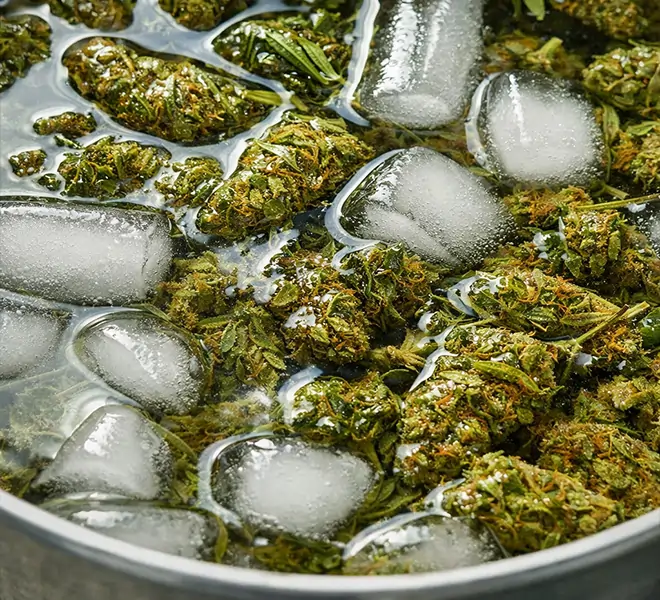
A modern and particularly clean method is water-based extraction, also known as bubble hash. In this process, CBD flowers are agitated in ice-cold water. The cold makes the resin glands brittle and causes them to separate from the plant material. They are then collected through multiple stages of filtration.
The result is a very pure resin with a soft to creamy consistency and a distinct terpene profile. This method is particularly suitable for aromatically demanding products and is exemplary for strains like Ketama Bubble (Bubble Hash), where purity, texture, and taste are paramount.
TRADITIONAL HANDMADE PROCESSING – CHARAS
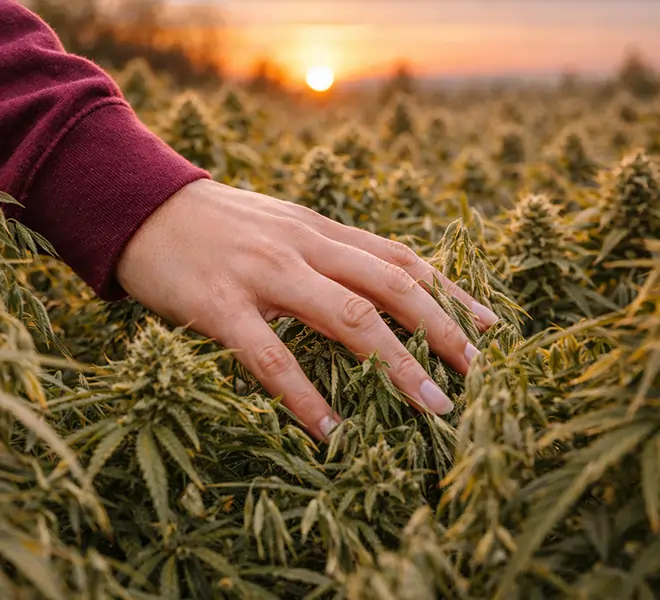
The oldest known form of hashish production is hand-processing, also known as charas. This method originally comes from India and Nepal. In this process, fresh or slightly dried flowers are rubbed between the hands so that the resin collects directly.
Charas is characterised by a particularly soft, sometimes oily consistency and a deep, earthy aroma. Production is extremely labour-intensive and heavily dependent on craftsmanship. Modern CBD variants are stylistically modelled on this tradition, such as Malana Cream (Black Charas), which reflects the artisanal heritage of this region.
PRESSING, MOULDING AND MATURATION – CRUCIAL FOR CHARACTER AND COLOUR
Following the actual resin extraction comes an often underestimated, yet central step: the pressing, shaping and curing of the CBD hash. Through pressure, temperature and storage duration, the structure, colour and aroma of the product change. Especially with traditional hash types, the resin is cured for weeks or months, which further deepens the flavour profile.
This process is typical of regionally characterised varieties such as Sahara Gold (Moroccan Hash) or Red Velvet Cake (Lebanese Red), where not only sieving but also ripening time determines the final character.
REGIONAL STYLISTIC TRENDS AS A GUIDE
Many CBD hash varieties differ less through completely new techniques than through regional styles that have evolved over generations. The Moroccan style stands for sieved and pressed hash with an earthy character, the Lebanese style for longer maturation and reddish hues, while the Indian style is characterised by hand-processed charas. Modern CBD hash products pick up on these traditions and translate them into a contemporary, legal context.
DIFFERENCES TO OTHER CBD FORMS
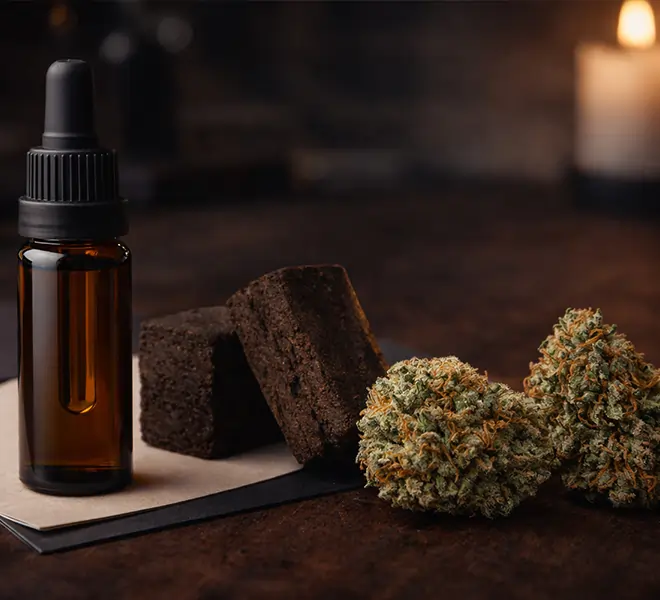
The simplest comparison is that between CBD Hash, CBD Flowers and CBD oils. While CBD flowers represent the entire plant blossom and often offer a «whole-plant feel», CBD hash is a more concentrated product that features a larger proportion of resin trichomes. CBD extracts such as oils or isolates are further processed and standardised.
These differences also result in a different effect between flower and hash: many users report that the CBD hash effect feels somewhat «deeper» than with flower, because more terpenes and cannabinoids are present in a concentrated form - without being intoxicating.
CBD HASH EFFECT – FACTUAL AND COMPREHENSIVE
The effects of CBD hash depend not only on the product itself, but also on individual perception. In many people, CBD triggers a perceived relaxation, mental calm and stress reduction without altering perception or producing a «high».
Precisely because CBD hash often contains more terpenes and cannabinoids than loose flowers due to its concentrated structure, many consumers find the effects of CBD hash to be more intense or harmonious. Nevertheless, CBD hash is non-psychoactive and is mostly used by consumers as an adjunct to mental balance, or as a recreational product.
What to look for when buying CBD hash?
If you want to buy CBD hash, it's worth paying attention to several things: the origin of the plants, the transparency of the manufacturing process, lab tests with THC and cannabinoid profiles, clear declaration and origin, as well as customer reviews.
When buying CBD hash, you should also ensure that the supplier not only meets legal requirements, but also uses high-quality raw materials and gentle production methods. This is the only way to expect a well-rounded, safe and aromatic product.
Is CBD hash legal in Switzerland?
The legal situation regarding CBD products in Switzerland is exceptionally liberal by European standards: products with a THC content of up to 1% may be sold on the market without being classified as a narcotic. This rule was explicitly extended to include cannabis resin (i.e. hashish and pollen) with effect from 1 August 2022, following previous uncertainties regarding the interpretation of the law.
For you as a consumer, this means: If you Buy CBD hash If you wish to do so, this can be done legally provided that the THC content is below 1% and the supplier provides transparent product information. This legal clarification has significantly opened up the Swiss CBD market for resin products and provides legal certainty for manufacturers, retailers and customers.
You can find more information about the current legal situation surrounding CBD in this blog:
Conclusion: Experience CBD Hash Mindfully
CBD hash is far more than just another method of consuming cannabidiol. It is the result of centuries-old craftsmanship, interpreted in a modern way for today's market. Thanks to clear legal frameworks in Switzerland, legal access to CBD hash is straightforward, and consumers can choose from a growing variety of strains and styles.
If you want to buy CBD hash, it's worth taking a look at the origin, production process and aroma profile – because these details hold the greatest value for your personal experience.
HAVE WE SPARKED YOUR INTEREST IN CBD HASH?
As you can see, there are numerous varieties of CBD hash from a wide range of regions around the world – each with its own unique production method and characteristics. Have we piqued your interest? Then discover our sample set and dive into the fascinating world of CBD hash.